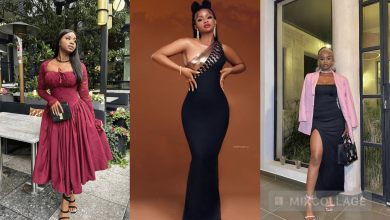
The Bridgerton Affair: A review of some of the celebrity outfits at the Bridgerton premiere in South Africa

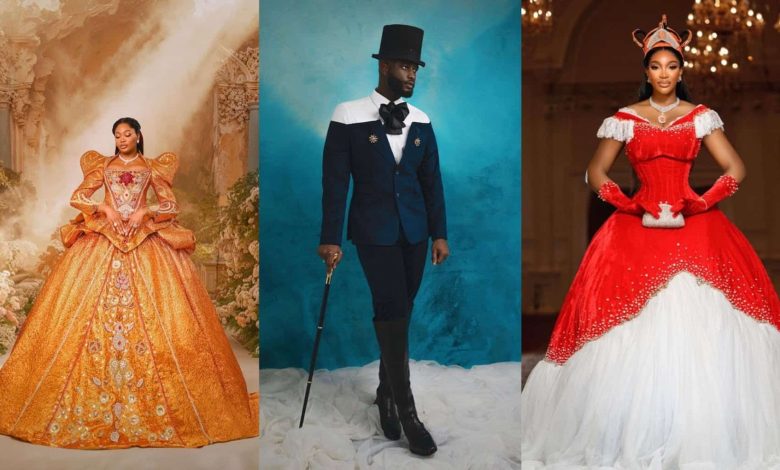
The premiere in Bridgerton, South Africa was a fusion of fashion and culture, paying homage to the medieval times in which the film is set.
Nigerian stars were invited there who appeared in flamboyant editions.
This article will be a review of some of the outfits celebrities wore to the premiere.
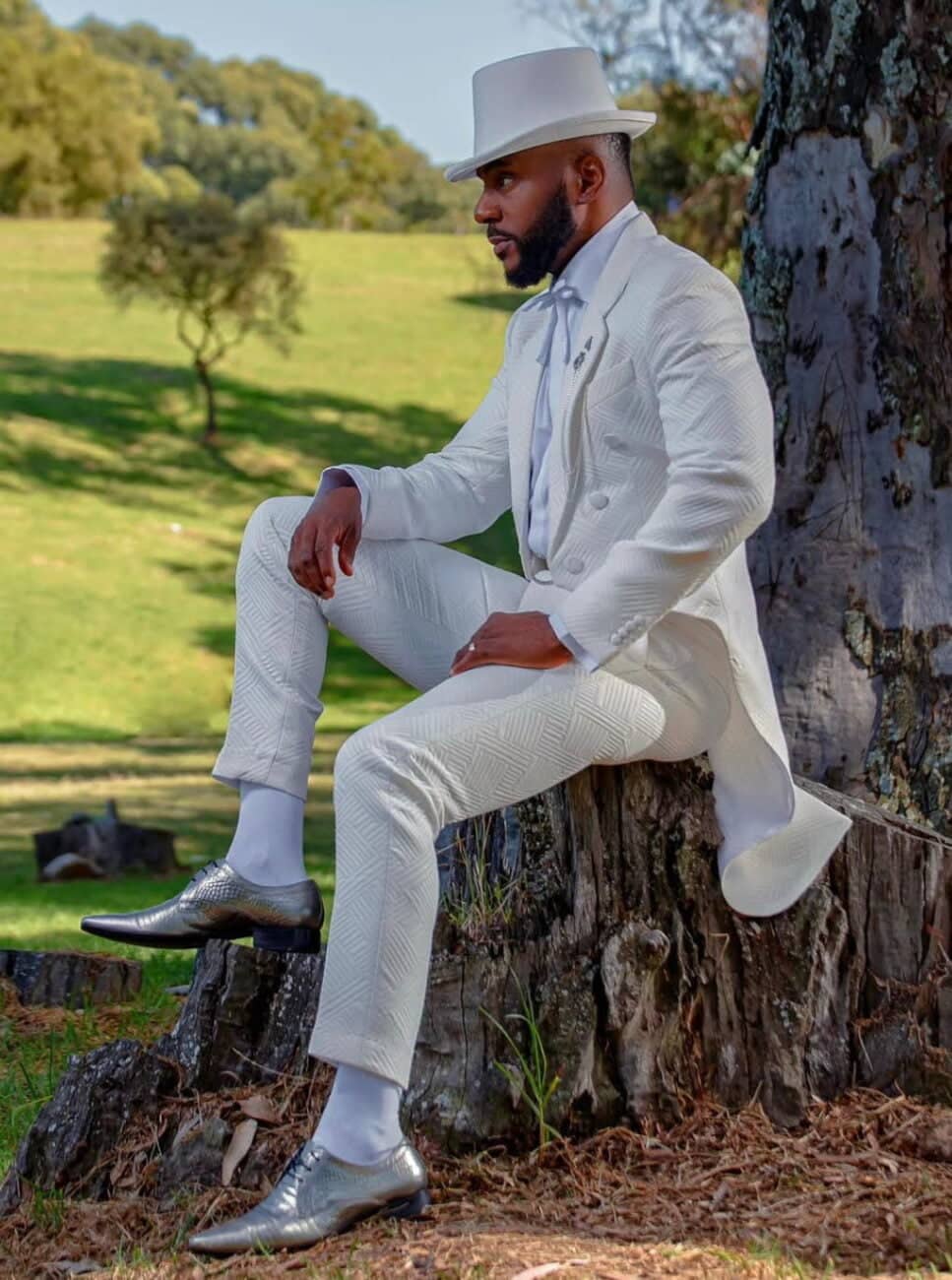
First on the list is television presenter Ebuka, who appeared looking like the Duke of Bridgerton in a white tailcoat. The tailcoat came with matching trousers, a top hat and a spyglass.
Ebuka’s outfit was in keeping with the theme of the movie itself, but also had a few modern elements that made the outfit unique.
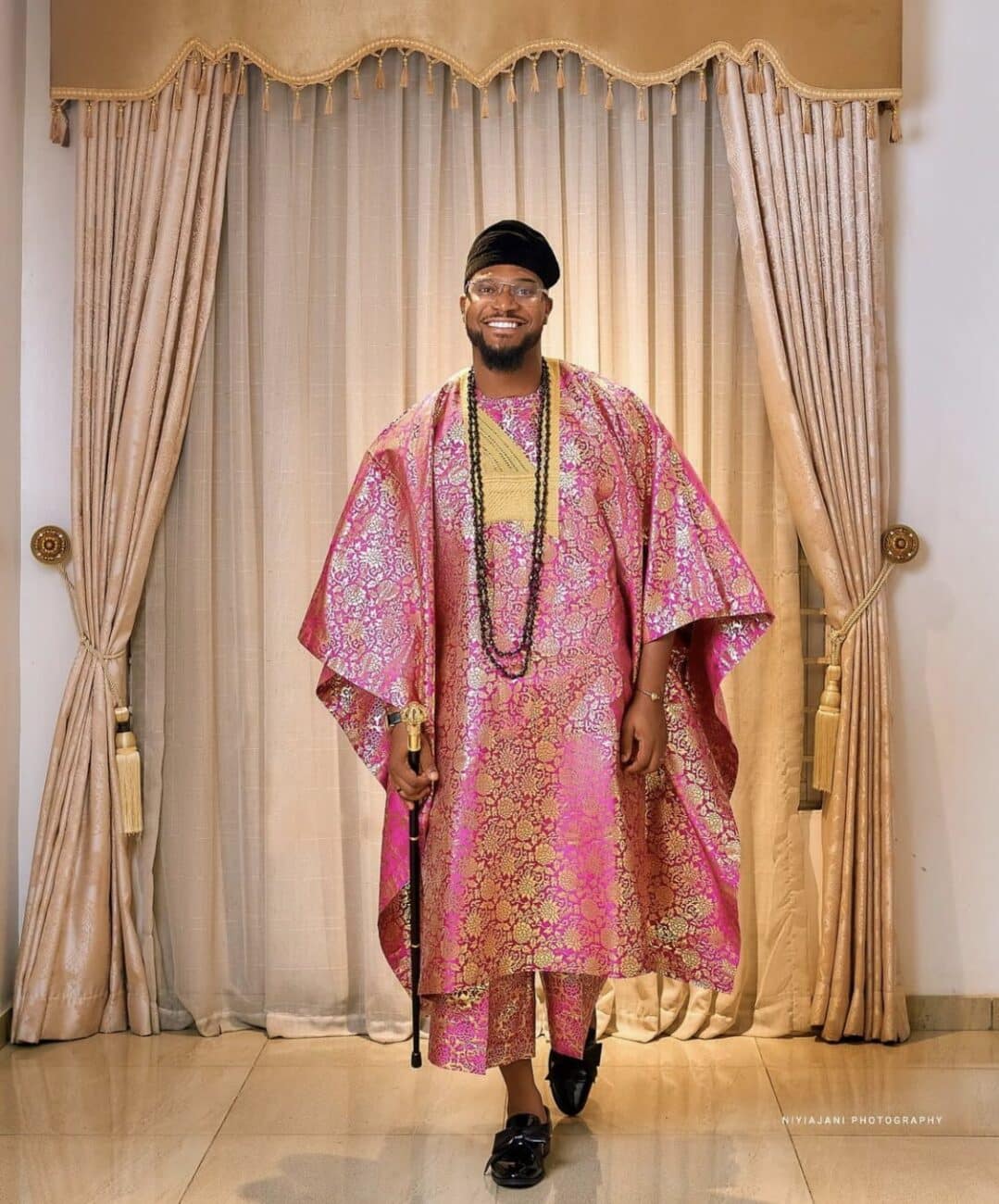
Nollywood actor Kunle Remi brought Yoruba culture all the way to South Africa for the Bridgerton premiere.
He wore a Yoruba garment called ‘Agbada’ which was made of brocade material. He also wore a formal scarf that perfectly matched the outfit.
Although Kunle Remi looked amazing in his outfit, it didn’t matter that his outfit didn’t match the theme of the premiere.
Actor and podcast host Taymesan stepped onto the red carpet at the Bridgerton premiere, looking sharp in a two-tone suit. He added a top hat and ceremonial cane to match the outfit.
Oh, on a scale of one to ten, Taymesan’s outfit was rated a four because although the outfit was vintage, it didn’t represent medieval times.
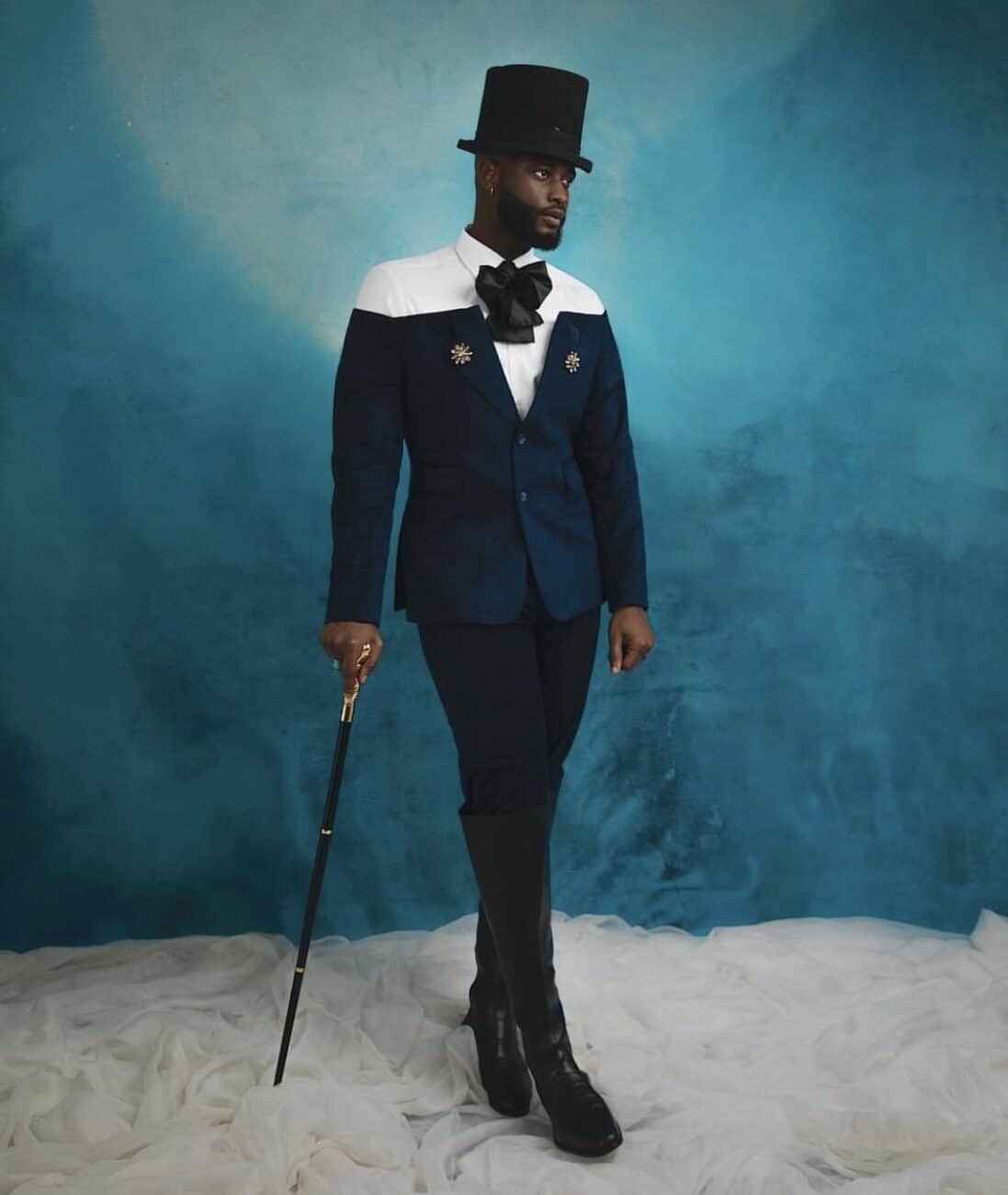
Osas Ighodaro appeared in a stunning silk dress with a corset top that featured an artificial flower on the front. The dress also had puff sleeves and a short cape at the back.
Although the dress looked stunning, it clearly belonged in the 1960s, when jazz music was prevalent and Broadway shows were starting to gain recognition.
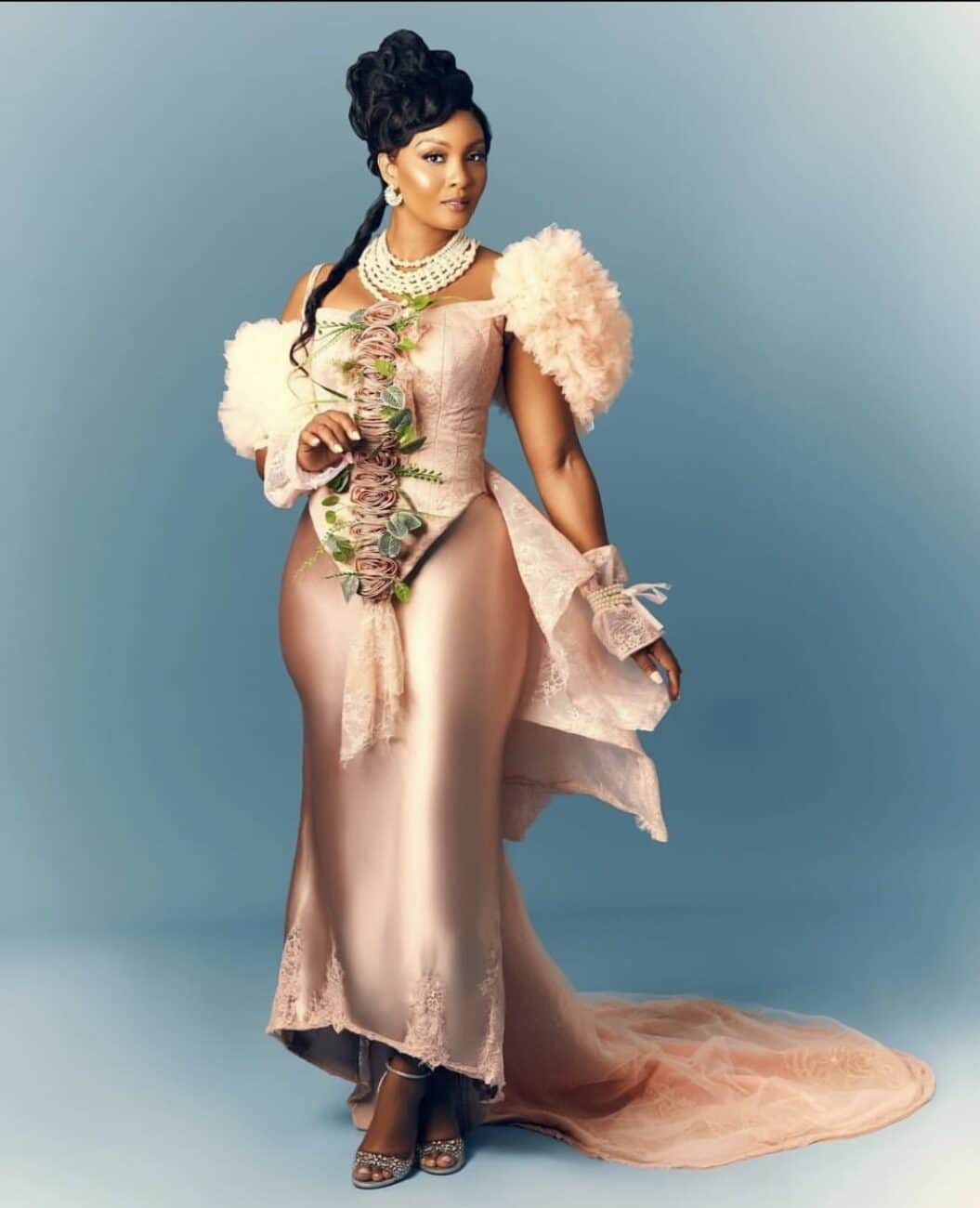
Priscilla Ojo called herself the ‘Diamond of the Season’ and she was not lying. Her dress made her look like she stepped out of the memory of a medieval dressmaker.
Although the dress fit the Bridgerton theme perfectly, there was a slight snag with the train, where green chiffon was attached to make it look longer. The fair should not have been there because it spoiled the illusion of medieval costume.
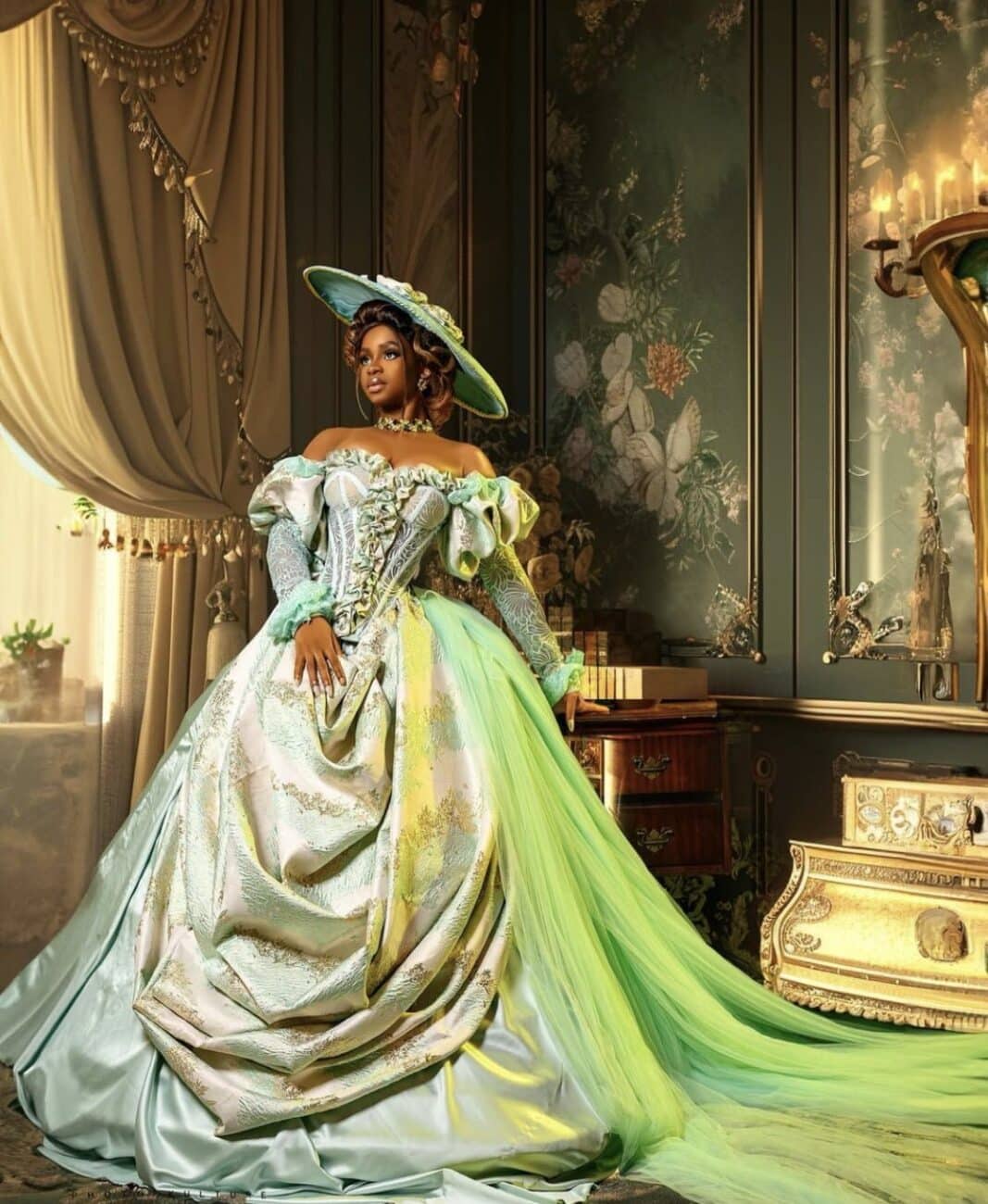
Sharon Ooja’s dress was undeniably beautiful, but showed little effort in terms of creativity, as there was no semblance of a Bridgerton-inspired theme to her dress.
The dress looked like it belonged on the red carpet for a modern movie premiere, not Bridgerton’s.
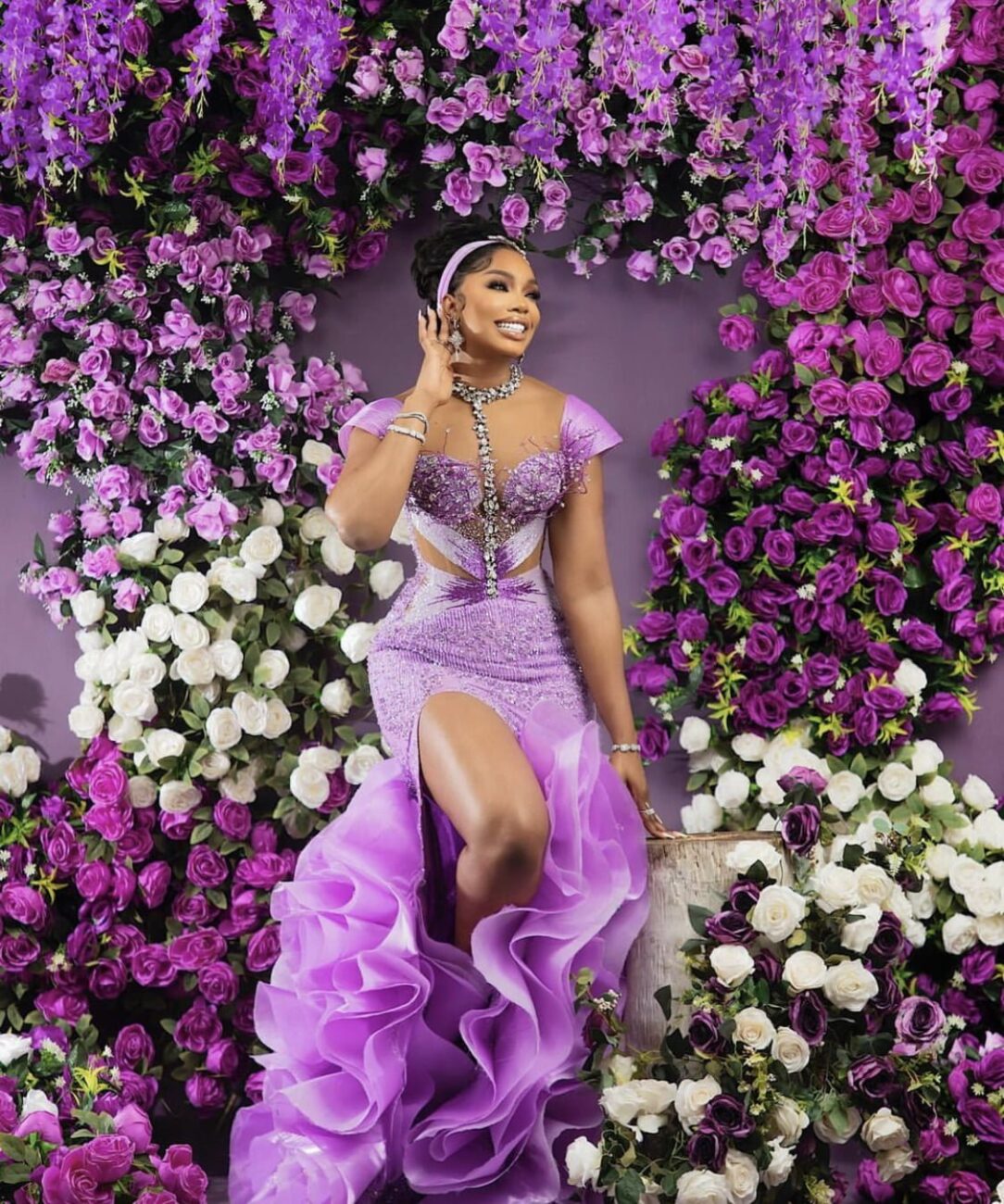
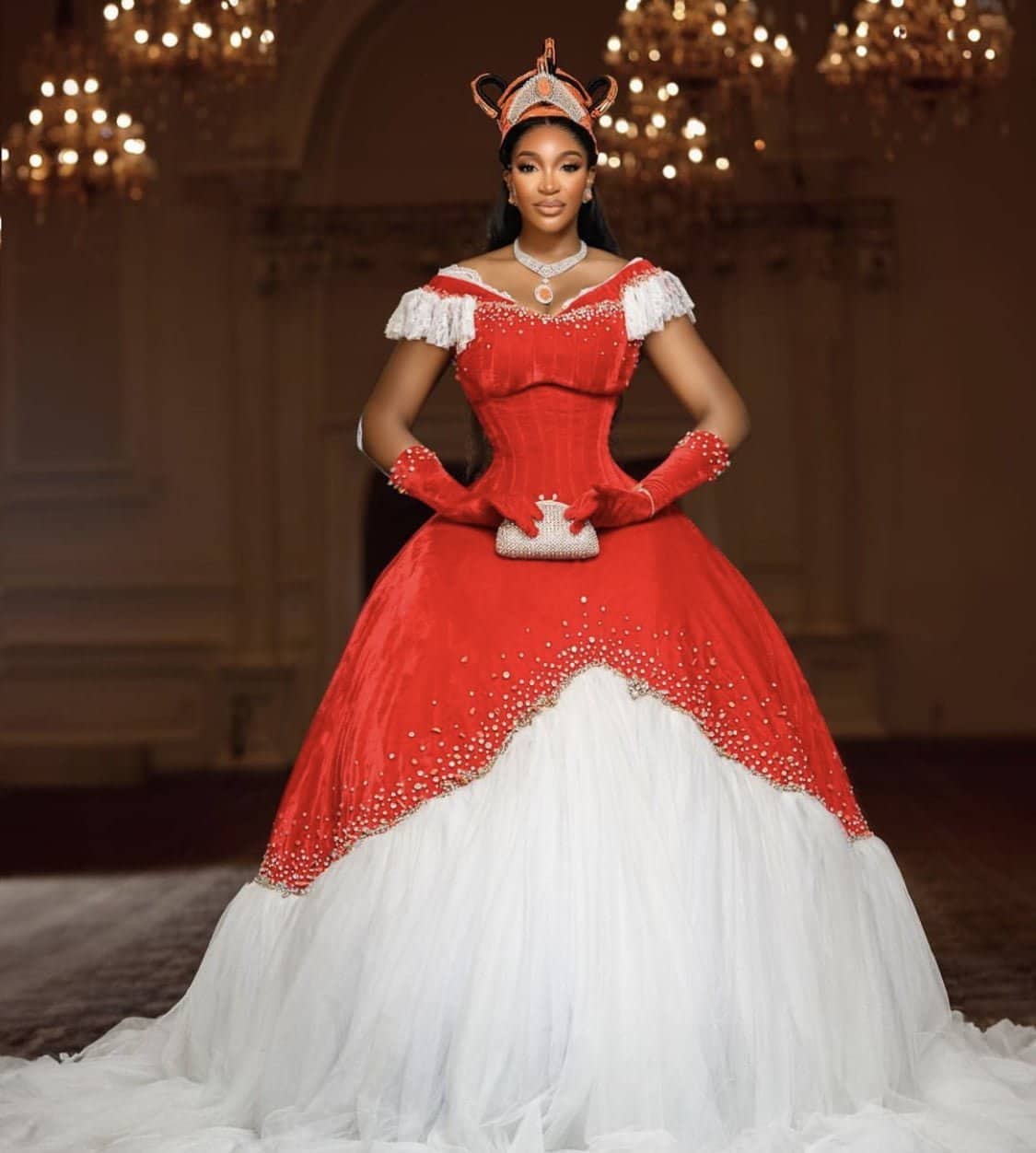
Actress Idia Aisen made her look like a fairy tale princess in the dress, and she looked absolutely gorgeous.
Despite looking like a princess, her dress still missed the mark. The theme was Bridgerton, not Cinderella.
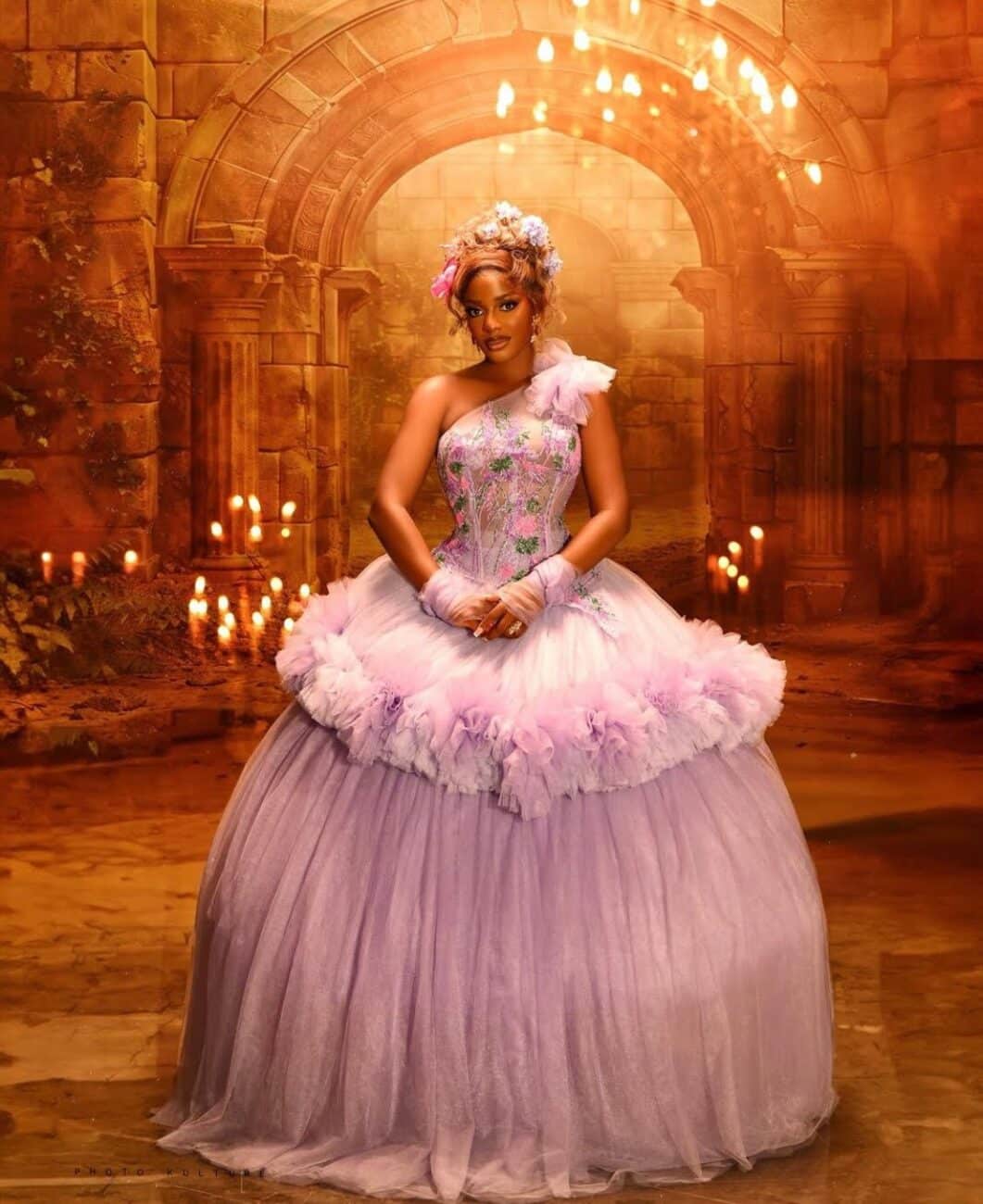
Hilda Baci looked ethereal in her beautiful lilac dress with floral patterns. The dress had one sleeve on which tiny designs were attached.
It’s an undeniable fact that Hilda Baci’s dress for the movie premiere looks amazing, but the timeline calculated during her designer’s creative session must have been messed up. The time in which Bridgerton’s film is set did not allow for a single cover as it would have been more scandalous than Lady Whisteldon’s letters.
In addition to the sleeves, Hilda Baca paid tribute to the movie Bridgerton with her dress.
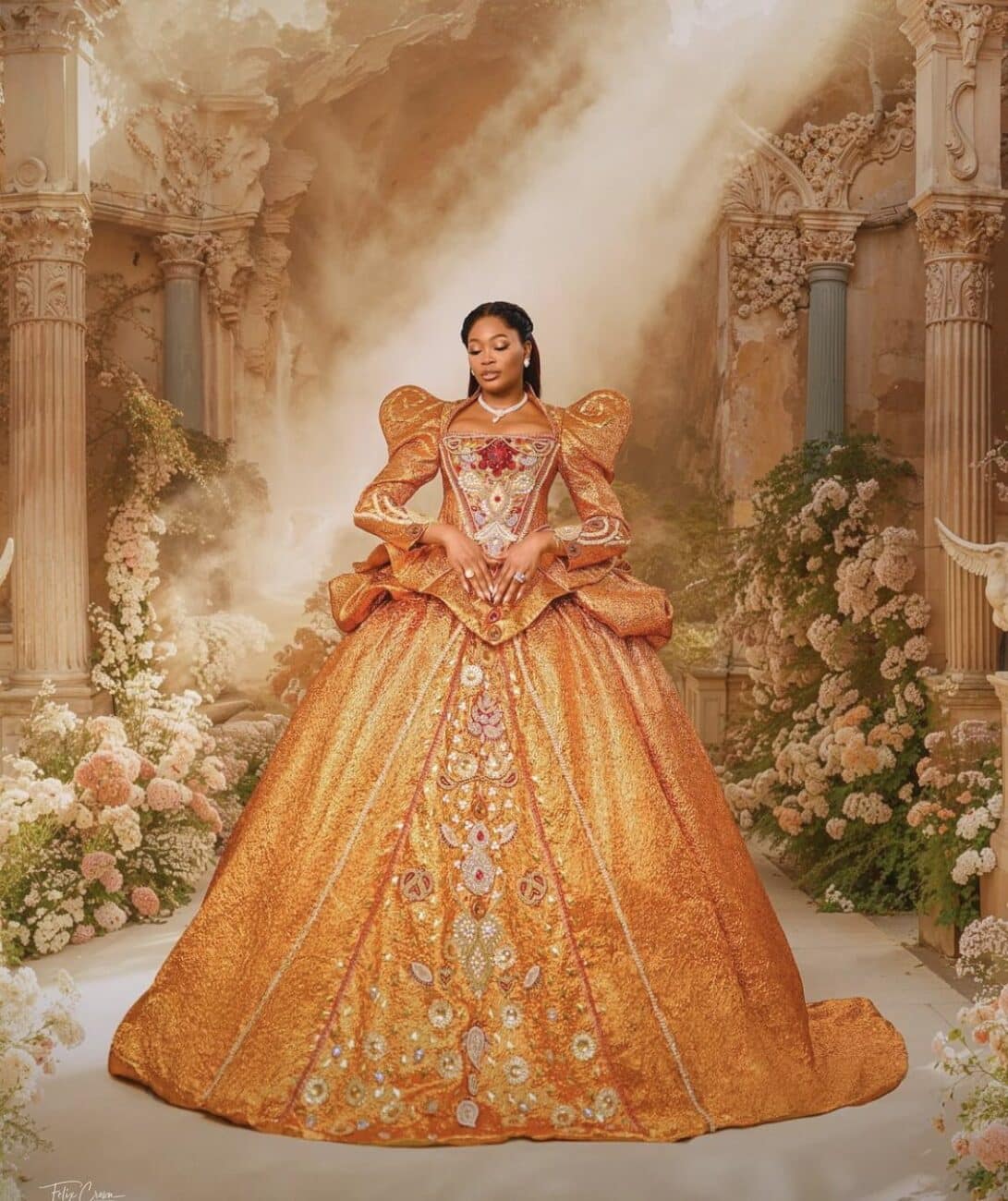
Comedian Kie-Kie appeared at the premiere, looking like Queen Charlotte herself. From her elaborate updo, to her embroidered day dress, Kie-Kie embodies the Bridgerton fantasy.
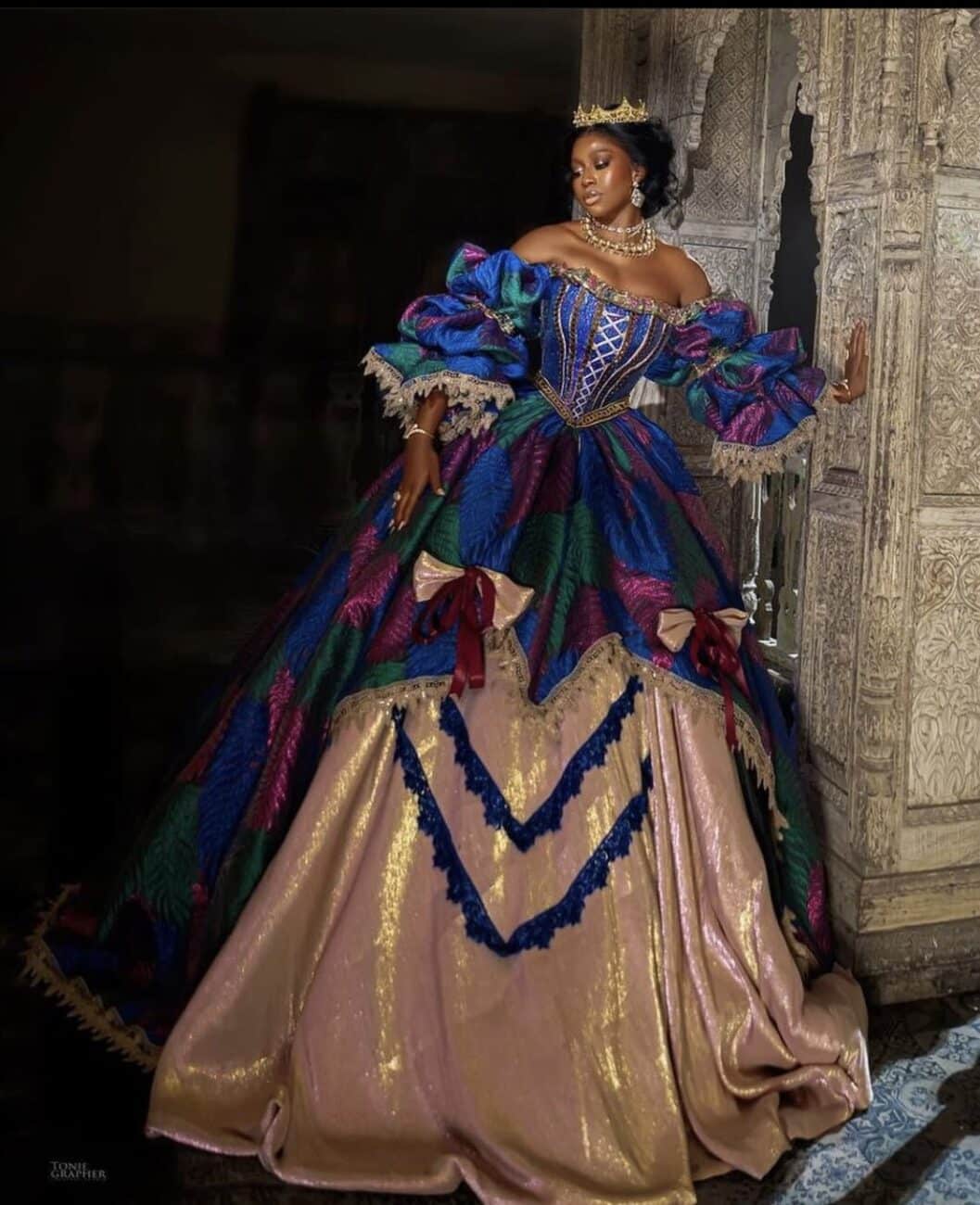
Lilly Afe appeared in a ball gown made of brilliant hues that blended perfectly with her skin. The upper part was made of pink, blue and green material that matched perfectly with the lower part which was made of brown. It looked incredible on her and matched the theme of the film’s premiere.